OptiCore Pro Official Website › Side Effects
Side EffectsOptiCore Pro Side Effects: The Two Rows Worth Knowing
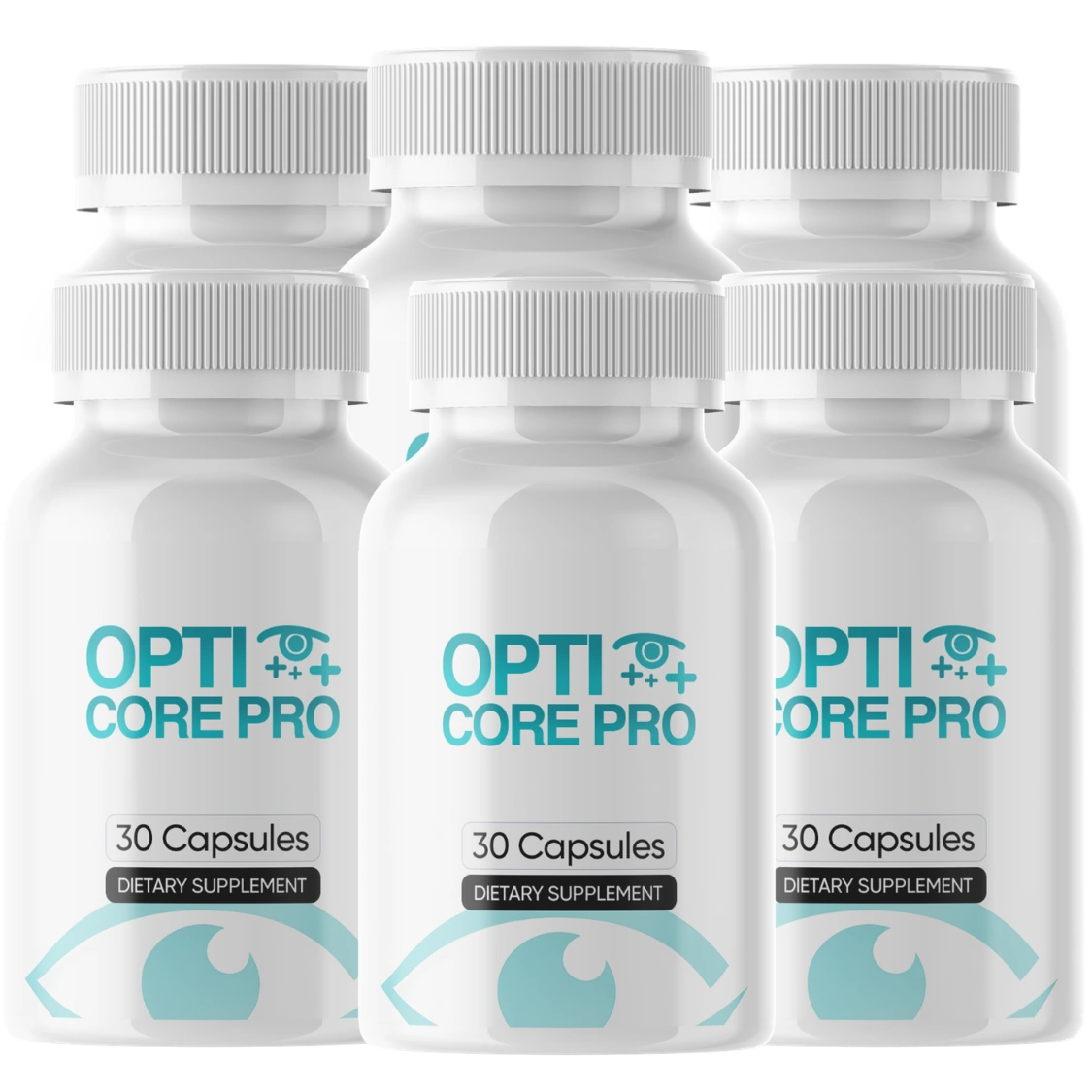
The OptiCore Pro bottle lists no side effects, which is normal for a supplement.
Two rows are worth knowing: biotin at 2,500 mcg can affect some lab blood tests, and iron at 7.25 mg adds up with other products. Ask your doctor if you take other supplements.
Four points, in order of how much each one actually matters.
What the OptiCore Pro label itself warns about
The bottle's own words first, then the four rows it does not comment on.
Do not exceed recommended dose. Pregnant or nursing mothers, children under the age of 18 and individuals with a known medical condition should consult a physician before using this or any dietary supplement. Keep out of reach of children. Do not use if safety seal is damaged or missing.
That is the whole of the printed warning, and it is the standard wording for an adult multivitamin rather than anything specific to this formula. It restricts the product to adults, asks anyone pregnant or nursing to take advice, tells you not to exceed the dose, and asks you to check the safety seal.
No side effect is listed on the bottle, which is ordinary: a dietary supplement is not required to carry one and most do not. What the panel does carry is four rows that repay attention, and this page takes them in order of how much they actually matter rather than in the order they appear.
For completeness, the allergen statement is a separate line and it is an exclusion rather than a caution. The bottle declares Soy, from the plant sterols inside the blend.
Biotin in OptiCore Pro and laboratory blood tests
One mechanism, three papers, and a thirty-second conversation that resolves it.
Biotin at 2,500 mcg can interfere with immunoassays that use a biotin and streptavidin binding step. That family includes some troponin, thyroid function and PSA tests. Tell the laboratory what you take before blood is drawn.
This is the most consequential thing on the panel and it is almost never mentioned by anyone selling a high-biotin capsule, so it belongs near the top rather than in a footnote.
The mechanism is simple and well described. A very large family of laboratory tests uses the extraordinarily strong binding between biotin and streptavidin to capture whatever is being measured. Circulating biotin from a supplement competes for those binding sites and pushes the result in one direction or the other, depending on whether the assay is built as a sandwich or as a competitive format. A review of the mechanism sets out both cases.
The scale is not theoretical. A survey of twenty-three assays measured which ones are affected and by how much, and an assessment using real patient samples showed the effect on troponin specifically, which is the test used to decide whether chest pain is a heart attack. A falsely low troponin is the outcome nobody wants.
What to do about it is undramatic. Say what you take when blood is drawn, and follow whatever gap the laboratory asks for. Biotin clears quickly, so a short pause is usually enough, and the only real failure mode is saying nothing.
Two related points. The reason 2,500 mcg is on this label at all is the hair and nail formula the blend underneath describes, since the biotin hair literature is where its reputation comes from. And there is no vision trial behind it at any amount, which is why this page treats it as a laboratory question rather than an efficacy one.
Iron in OptiCore Pro, and why it is worth counting
A sensible amount in one product, and the reason to add it to everything else.
Each capsule supplies 7.25 mg of iron as ferrous fumarate, 40.5 per cent of a Daily Value. Taken alone, in an adult who is not iron-loading, that is an unremarkable amount and a useful one for anyone whose intake runs short.
Iron earns a section because it is cumulative and because it hides. It appears in multivitamins, in prenatal formulas, in fortified cereals and in standalone tablets, and people who take two products frequently do not realise both carry it. The adult tolerable upper intake level is 45 mg a day from all sources.
The StatPearls chapter on iron overload describes what chronic excess does over years, and the organs it reaches are the liver, the heart and the pancreas rather than anything that announces itself early. Anyone with haemochromatosis or another iron-loading condition should treat this panel as unsuitable rather than as something to time carefully.
At the ordinary end, the commonest iron effect is gastrointestinal: dark stools, which are harmless and expected, and occasionally nausea or constipation. Taking the capsule with a little food usually settles it, at a small cost in absorption.
The other OptiCore Pro minerals, and where each sits against its upper limit
Seven rows against seven published limits, with the margin shown in each case.
| Row | Amount here | Adult upper intake level | What the limit is about |
|---|---|---|---|
| Zinc | 3.62 mg | 40 mg a day | Chronic high-dose zinc depresses copper status. A case of reversible blood counts and a report of marrow suppression are what the limit protects against, both at far higher amounts. |
| Manganese | 2 mg | 11 mg a day | Neurological, at industrial or long-term high supplemental exposure. One published case of parkinsonism followed years of supplementation. |
| Magnesium | 60 mg | 350 mg a day from supplements | Loose stools, which is the limiting effect rather than a toxicity. The oxide salt is the least absorbed of the common forms, per a head-to-head comparison. |
| Calcium | 40 mg | 2,500 mg a day | Not a consideration at 3 per cent of a Daily Value. |
| Potassium | 47 mg | No upper level set | One per cent of a Daily Value. Capsules cannot carry meaningful potassium. |
| Vitamin A as beta-carotene | 60 mcg RAE | 3,000 mcg RAE as preformed retinol | Preformed vitamin A accumulates, per the toxicity chapter. Beta-carotene converts on demand and does not, which is why the form on this panel matters. |
| Folic acid | 440 mcg | 1,000 mcg a day from supplements | Masking of B12 deficiency, per a review of excess folic acid. This panel carries B12 as well, which addresses it. |
Upper intake levels from the Institute of Medicine reference intake chapters, which are cited in full below.
Every quantified row on this panel sits inside its established upper limit, most of them by a wide margin. That is the plain summary and it is worth stating before anything else, because a long safety section can leave an impression the numbers do not support.
The one row worth watching is the one already covered. Iron is the only nutrient here where a second product in the same cupboard changes the arithmetic meaningfully.
The eleven botanicals in OptiCore Pro, and the cautions attached to them
Four members with a real literature, seven that are quieter, and one qualification that covers all eleven.
Every safety note in this section comes with the same qualification, so it is given once at the top rather than eleven times below: the whole blend is 179.5 mg, and every published caution below was derived at amounts that total cannot hold. Split evenly, each member is about 16 mg.
Four of the eleven have a safety literature worth naming.
Fo-Ti, the liver signal
A review of its hepatotoxic compounds collects the case reports, and a second review describes the paradox of a herb used traditionally for the liver appearing in liver-injury reports. The reports cluster at gram amounts taken over months, which is a different exposure from a share of a 179.5 mg blend.
Alfalfa and autoimmune disease
L-canavanine is the amino acid behind the standing caution in lupus and related conditions. It is the reason alfalfa carries a warning in every reference text, and it is the one blend member worth avoiding on principle if you have an autoimmune diagnosis, regardless of the amount.
PABA at prescription strength
A published case of hepatitis followed potassium para-aminobenzoate at the gram-a-day amounts used for fibrotic skin conditions. Nothing comparable exists at supplement amounts, and this blend cannot reach that exposure.
Spirulina and supplier quality
A survey of retail spirulina products found contamination in a proportion of samples, which is a manufacturing question rather than a property of the organism. A broader review covers both the composition and the toxicology.
The remaining seven are quieter. Horsetail's two randomised trials ran at 900 mg a day of dried extract, and the genus review is the best single source on it. Saw palmetto's Cochrane update and the nettle root review both concern urinary symptoms rather than safety. Chinese peony and barley grass have compositional literatures rather than clinical ones. Bamboo leaf returned no human trial at all.
The honest conclusion is that the blend is worth naming and not worth fearing. What it cannot be is analysed, because eleven botanicals under one total is a format that resists analysis by design.
What to do if something feels wrong on OptiCore Pro
Six steps in order, the first of which is free.
Stop taking it
There is nothing to taper. This is a nutrient capsule rather than anything the body adapts to, so stopping is a clean decision and the right first one.
Write down what happened and when
Day of the run, time of day relative to the capsule, what you felt and how long it lasted. This is worth five minutes and it is the difference between a useful conversation later and a vague one.
Check what else changed that week
A new medicine, a new supplement, a bad week of sleep, a stomach bug. Most things attributed to a capsule started somewhere else, and the honest answer is usually visible in the diary.
Tell the order desk
Ring +1 (877) 257-0710 with your order ID. It gets the report onto the record, and it is also how a refund starts if you decide that is what you want.
Take the bottle with you to any appointment
The panel is the most useful thing in the room. Seventeen printed rows answers most questions faster than a description does, and the biotin figure is the one worth pointing at.
Decide inside the window
The 60-day guarantee runs from the shipping date. If you have stopped and do not intend to restart, start the claim rather than leaving it, because the window does not pause.
OptiCore Pro safety questions
Does OptiCore Pro have side effects?
The bottle lists none, which is ordinary for a dietary supplement. At these amounts the commonest reports in this category are gastrointestinal and usually trace to the iron or the magnesium. The two rows worth understanding before you start are biotin, because of laboratory tests, and iron, because it adds up across products.
Can OptiCore Pro affect a blood test?
Yes, and this is the most useful thing on this page. Biotin at 2,500 mcg can distort immunoassays that use a biotin and streptavidin step, including some troponin, thyroid and PSA tests. Say what you take before blood is drawn and follow whatever gap the laboratory asks for.
Is the iron in OptiCore Pro a problem?
Not on its own. It is 7.25 mg, 40.5 per cent of a Daily Value, against an adult upper intake level of 45 mg a day from all sources. It becomes a question if you take another product containing iron, and an exclusion if you have haemochromatosis.
Are the botanicals in OptiCore Pro safe?
Four of the eleven have safety literatures worth reading: Fo-Ti, alfalfa, PABA and spirulina. Every caution in those literatures was derived at amounts a 179.5 mg blend split eleven ways cannot supply. The one worth respecting regardless of amount is alfalfa if you have an autoimmune condition.
Can I take OptiCore Pro with medication?
The combinations worth spacing are thyroid medication and tetracycline or quinolone antibiotics, because the minerals reduce their absorption. Four hours apart is the usual gap. The suitability page has the full table.
Does OptiCore Pro upset the stomach?
It can, and the likeliest cause is the iron or the magnesium oxide. Taking the capsule with a little food rather than before a meal usually settles it, at a small cost in absorption. If it persists, stop and say so to the order desk.
Is OptiCore Pro safe long term?
Every quantified row sits inside its established upper intake level, most by a wide margin, so there is no accumulating nutrient on this panel except iron. Long-term data on the finished product does not exist, because the finished product has never been trialled. That is true of essentially every supplement on sale.
Should anyone avoid OptiCore Pro outright?
Anyone under 18, anyone avoiding soy, anyone with an iron-loading condition, and anyone with an autoimmune diagnosis who wants to avoid alfalfa. The label also asks anyone pregnant or nursing to take advice before starting.
Sources for the OptiCore Pro safety page
Assay papers, reference intake chapters and the botanical safety literature, in the order the sections reach them.
- Dasgupta A. Immunoassay design and biotin interference. Adv Clin Chem. 2022;109:165-183. PMID 35953126. https://pubmed.ncbi.nlm.nih.gov/35953126/
- Nguyen KQN, Langevin R, Fankhauser K, et al. Assessment of Risk for Interference by Circulating Biotin in Samples Received for High Sensitivity Troponin-T, Thyrotropin, and for Prostate Specific Antigen Testing by Immunoassays. Clin Lab. 2020;66(1). PMID 32013345. https://pubmed.ncbi.nlm.nih.gov/32013345/
- Li J, Wagar EA, Meng QH. Comprehensive assessment of biotin interference in immunoassays. Clin Chim Acta. 2018;487:293-298. PMID 30296442. https://pubmed.ncbi.nlm.nih.gov/30296442/
- Patel DP, Swink SM, Castelo-Soccio L. A Review of the Use of Biotin for Hair Loss. Skin Appendage Disord. 2017;3(3):166-169. PMID 28879195. https://pubmed.ncbi.nlm.nih.gov/28879195/
- Institute of Medicine (US) Standing Committee on the Scientific Evaluation of Dietary Reference Intakes. Biotin. In: Dietary Reference Intakes for Thiamin, Riboflavin, Niacin, Vitamin B6, Folate, Vitamin B12, Pantothenic Acid, Biotin, and Choline. Washington (DC): National Academies Press; 1998. NCBI Bookshelf NBK114297. https://www.ncbi.nlm.nih.gov/books/NBK114297/
- Institute of Medicine (US) Panel on Micronutrients. Iron. In: Dietary Reference Intakes for Vitamin A, Vitamin K, Arsenic, Boron, Chromium, Copper, Iodine, Iron, Manganese, Molybdenum, Nickel, Silicon, Vanadium, and Zinc. Washington (DC): National Academies Press; 2001. NCBI Bookshelf NBK222309. https://www.ncbi.nlm.nih.gov/books/NBK222309/
- Baddam S, Chen RJ. Iron Overload and Toxicity. In: StatPearls. Treasure Island (FL): StatPearls Publishing. PMID 30252387. https://pubmed.ncbi.nlm.nih.gov/30252387/
- Institute of Medicine (US) Panel on Micronutrients. Zinc. In: Dietary Reference Intakes for Vitamin A, Vitamin K, Arsenic, Boron, Chromium, Copper, Iodine, Iron, Manganese, Molybdenum, Nickel, Silicon, Vanadium, and Zinc. Washington (DC): National Academies Press; 2001. NCBI Bookshelf NBK222317. https://www.ncbi.nlm.nih.gov/books/NBK222317/
- Irving JA, Mattman A, Lockitch G, et al. Element of caution: a case of reversible cytopenias associated with excessive zinc supplementation. CMAJ. 2003;169(2):129-31. PMID 12874162. https://pubmed.ncbi.nlm.nih.gov/12874162/
- Broun ER, Greist A, Tricot G, et al. Excessive zinc ingestion. A reversible cause of sideroblastic anemia and bone marrow depression. JAMA. 1990;264(11):1441-3. PMID 2094240. https://pubmed.ncbi.nlm.nih.gov/2094240/
- Institute of Medicine (US) Panel on Micronutrients. Manganese. In: Dietary Reference Intakes for Vitamin A, Vitamin K, Arsenic, Boron, Chromium, Copper, Iodine, Iron, Manganese, Molybdenum, Nickel, Silicon, Vanadium, and Zinc. Washington (DC): National Academies Press; 2001. NCBI Bookshelf NBK222332. https://www.ncbi.nlm.nih.gov/books/NBK222332/
- Schuh MJ. Possible Parkinson's Disease Induced by Chronic Manganese Supplement Ingestion. Consult Pharm. 2016;31(12):698-703. PMID 28074748. https://pubmed.ncbi.nlm.nih.gov/28074748/
- Pajuelo D, Meissner JM, Negra T, et al. Comparative Clinical Study on Magnesium Absorption and Side Effects After Oral Intake of Microencapsulated Magnesium (MAGSHAPE Microcapsules) Versus Other Magnesium Sources. Nutrients. 2024;16(24):4367. PMID 39770988. https://pubmed.ncbi.nlm.nih.gov/39770988/
- Daley SF, Goyal A. Vitamin A Toxicity. In: StatPearls. Treasure Island (FL): StatPearls Publishing. PMID 30422511. https://pubmed.ncbi.nlm.nih.gov/30422511/
- Institute of Medicine (US) Panel on Micronutrients. Vitamin A. In: Dietary Reference Intakes for Vitamin A, Vitamin K, Arsenic, Boron, Chromium, Copper, Iodine, Iron, Manganese, Molybdenum, Nickel, Silicon, Vanadium, and Zinc. Washington (DC): National Academies Press; 2001. NCBI Bookshelf NBK222318. https://www.ncbi.nlm.nih.gov/books/NBK222318/
- Institute of Medicine (US) Standing Committee on the Scientific Evaluation of Dietary Reference Intakes. Folate. In: Dietary Reference Intakes for Thiamin, Riboflavin, Niacin, Vitamin B6, Folate, Vitamin B12, Pantothenic Acid, Biotin, and Choline. Washington (DC): National Academies Press; 1998. NCBI Bookshelf NBK114318. https://www.ncbi.nlm.nih.gov/books/NBK114318/
- Miller JW, Smith A, Troen AM, et al. Excess Folic Acid and Vitamin B12 Deficiency: Clinical Implications? Food Nutr Bull. 2024;45(1_suppl):S67-S72. PMID 38987872. https://pubmed.ncbi.nlm.nih.gov/38987872/
- Teka T, Wang L, Gao J, et al. Polygonum multiflorum: Recent updates on newly isolated compounds, potential hepatotoxic compounds and their mechanisms. J Ethnopharmacol. 2021;271:113864. PMID 33485980. https://pubmed.ncbi.nlm.nih.gov/33485980/
- Li H, Wang X, Liu Y, et al. Hepatoprotection and hepatotoxicity of Heshouwu, a Chinese medicinal herb: Context of the paradoxical effect. Food Chem Toxicol. 2017;108(Pt B):407-418. PMID 27484243. https://pubmed.ncbi.nlm.nih.gov/27484243/
- Akaogi J, Barker T, Kuroda Y, et al. Role of non-protein amino acid L-canavanine in autoimmunity. Autoimmun Rev. 2006;5(6):429-35. PMID 16890899. https://pubmed.ncbi.nlm.nih.gov/16890899/
- Roy J, Carrier S. Acute hepatitis associated with treatment of Peyronie's disease with potassium para-aminobenzoate (Potaba). J Sex Med. 2008;5(12):2967-9. PMID 18624965. https://pubmed.ncbi.nlm.nih.gov/18624965/
- Rhoades J, Fotiadou S, Paschalidou G, et al. Microbiota and Cyanotoxin Content of Retail Spirulina Supplements and Spirulina Supplemented Foods. Microorganisms. 2023;11(5):1175. PMID 37317149. https://pubmed.ncbi.nlm.nih.gov/37317149/
- Gogna S, Kaur J, Sharma K, et al. Spirulina - An Edible Cyanobacterium with Potential Therapeutic Health Benefits and Toxicological Consequences. J Am Nutr Assoc. 2023;42(6):559-572. PMID 35916491. https://pubmed.ncbi.nlm.nih.gov/35916491/
- Boeing T, Tafarelo Moreno KG, Gasparotto Junior A, et al. Phytochemistry and Pharmacology of the Genus Equisetum (Equisetaceae): A Narrative Review of the Species with Therapeutic Potential for Kidney Diseases. Evid Based Complement Alternat Med. 2021;2021:6658434. PMID 33747109. https://pubmed.ncbi.nlm.nih.gov/33747109/
- Franco JV, Trivisonno L, Sgarbossa NJ, et al. Serenoa repens for the treatment of lower urinary tract symptoms due to benign prostatic enlargement. Cochrane Database Syst Rev. 2023;6(6):CD001423. PMID 37345871. https://pubmed.ncbi.nlm.nih.gov/37345871/
- Chrubasik JE, Roufogalis BD, Wagner H, et al. A comprehensive review on the stinging nettle effect and efficacy profiles. Part II: urticae radix. Phytomedicine. 2007;14(7-8):568-79. PMID 17509841. https://pubmed.ncbi.nlm.nih.gov/17509841/
- Ma W, Ren H, Meng X, et al. A review of the ethnopharmacology, phytochemistry, pharmacology, pharmacokinetics and quality control of Paeonia lactiflora Pall. J Ethnopharmacol. 2024;335:118616. PMID 39053710. https://pubmed.ncbi.nlm.nih.gov/39053710/
- Rzeski W, Rzeska W. Young Barley (Hordeum vulgare L.) Preparations: From Phytochemical Complexity to Clinical Relevance. Molecules. 2026;31(12):2571. PMID 42357586. https://pubmed.ncbi.nlm.nih.gov/42357586/
- Tucker J, Fischer T, Upjohn L, et al. Unapproved Pharmaceutical Ingredients Included in Dietary Supplements Associated With US Food and Drug Administration Warnings. JAMA Netw Open. 2018;1(6):e183337. PMID 30646238. https://pubmed.ncbi.nlm.nih.gov/30646238/
Order OptiCore Pro with the safety pages already read
Sixteen printed amounts, every one inside its upper intake level, and 60 days from the shipping date if it turns out not to suit you.
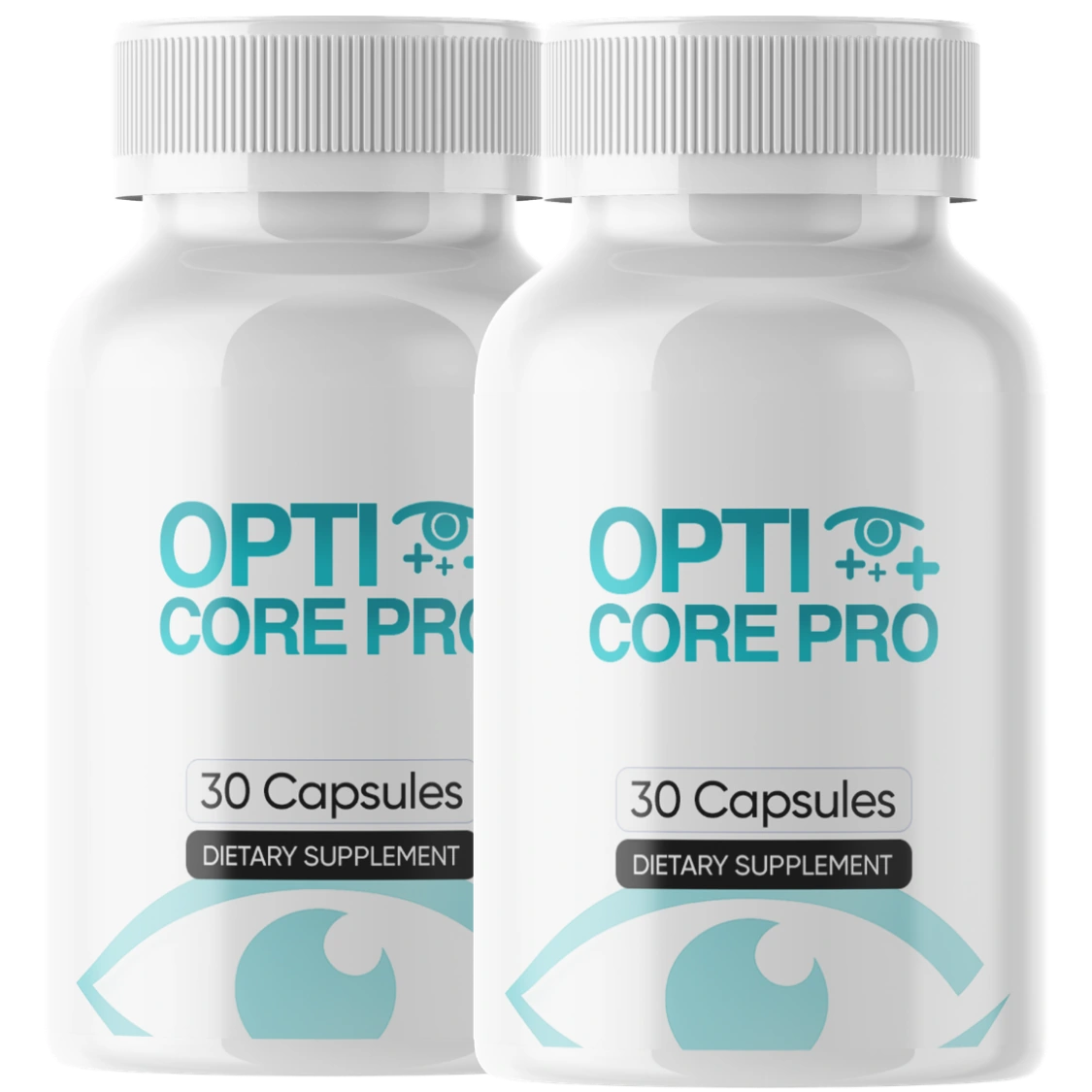
Two bottles $158 · six bottles $294 · 60-day money-back guarantee
Order OptiCore Pro On The Official WebsiteOne capsule a day · 30 per bottle · lot OPT-26/OP-2761